Some of the best meals you'll have in Morocco cost less than a coffee back home. Street food here isn't a fallback for budget travelers — it's genuinely where a lot of the country's best cooking happens, from steaming soup carts to grills that have been in the same family for generations. Here's what to look for.
Dishes Worth Seeking Out
Tagine is the obvious starting point — meat or vegetables slow-cooked in the cone-shaped clay pot it's named for, usually with olives, preserved lemon, or dried fruit. A street-stall or simple-restaurant version costs 30-50 MAD and is often better than what you'll get in a tourist restaurant charging double. Harira is a hearty tomato-lentil-chickpea soup, traditionally eaten to break the fast during Ramadan but sold year-round for 5-10 MAD a bowl — order it with a date and a boiled egg on the side if the stall offers it, which is the traditional way to eat it.
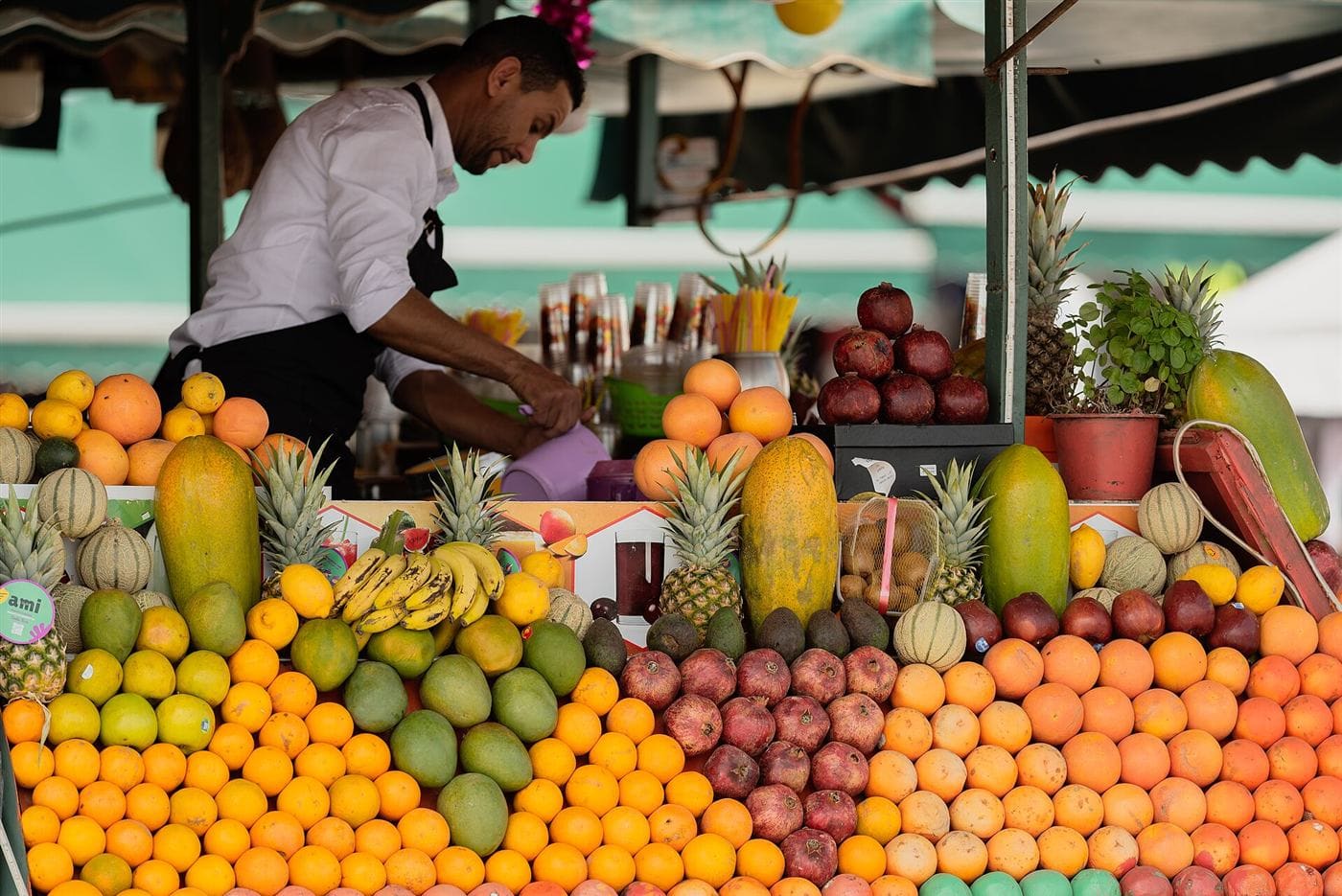
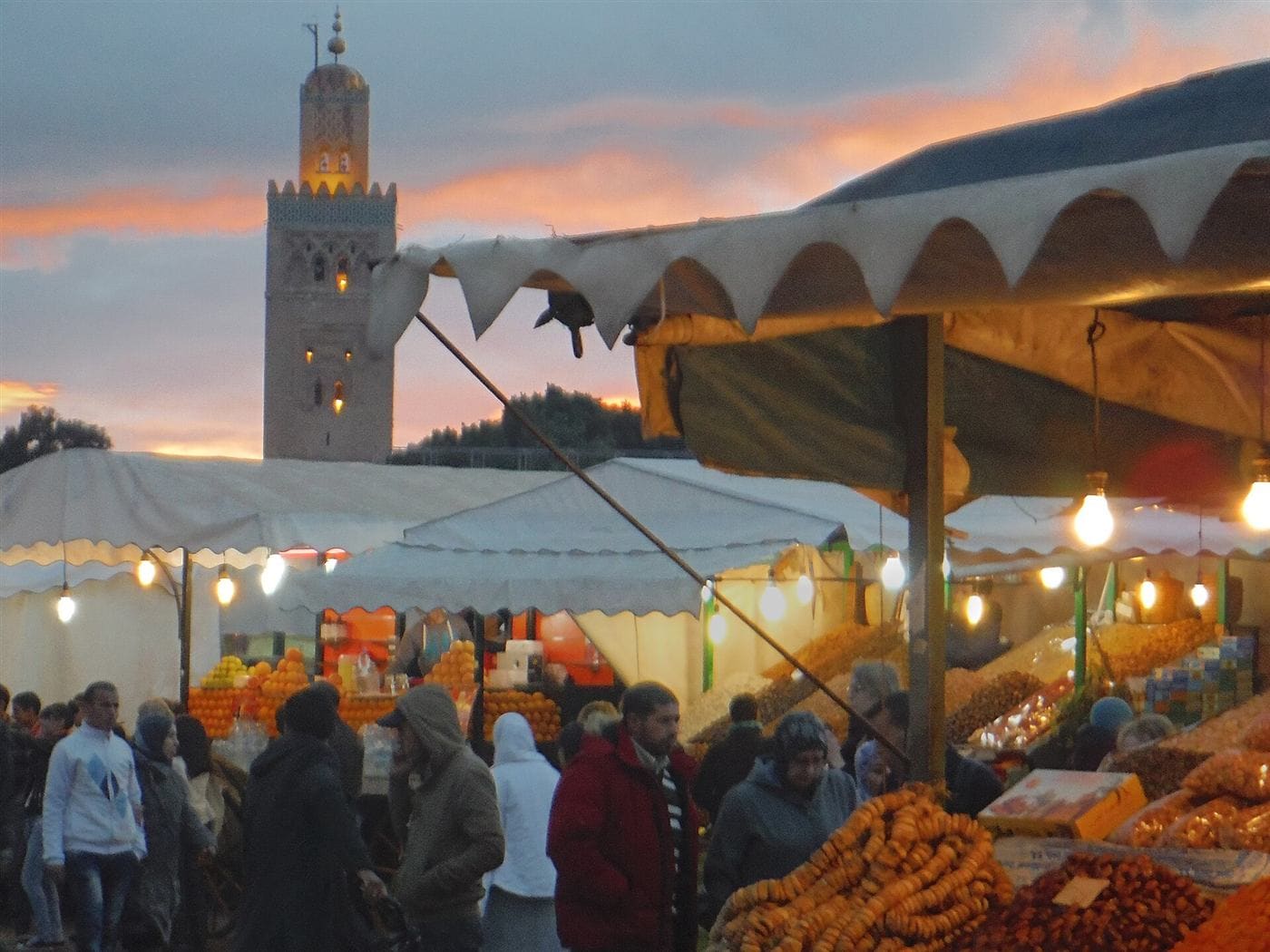
Msemen is a square, flaky pan-fried flatbread, often sold from small carts in the morning for 3-5 MAD, and it's an ideal cheap breakfast with honey or amlou (an almond-argan spread). If you're feeling adventurous, look for snail soup carts (babbouche) — a Marrakech institution, sold in small cups for around 5-10 MAD, seasoned with a broth of herbs and spices that's more about the flavor than the snails themselves. And no visit to Jemaa el-Fnaa is complete without the fresh orange juice stalls that line the square — a large glass costs 4-7 MAD and is squeezed in front of you.
Quick Tip
Pick the orange juice stall with the most locals in line, not the one closest to the square's entrance — it's almost always cheaper and the fruit turns over faster.
What a Fair Price Looks Like
As a rule of thumb: soup or small snacks should be under 10 MAD, a full plate of grilled meat or a sandwich lands around 15-30 MAD, and a proper tagine or couscous plate is 30-60 MAD depending on the city and whether you're right on a tourist square or a block away. If a stall doesn't have visible prices, ask before you order — "combien?" (how much?) is enough, and confirming upfront avoids the awkward moment of an inflated bill afterward. Prices in Jemaa el-Fnaa's evening food stalls run noticeably higher than identical food a few streets away, which is worth knowing even if you decide the atmosphere is worth the markup once.
Food Safety Basics
The general rule that serves travelers well anywhere applies here too: eat where there's a steady stream of local customers and high turnover, since that means food isn't sitting around. Stick to bottled water, and be cautious with raw, unpeeled fruit or vegetables and tap water-based ice in the first few days while your system adjusts. Freshly cooked, hot food (tagine straight off the coals, soup ladled from a simmering pot) is generally very safe. Most travelers who get sick in Morocco trace it back to unwashed produce or an off day at a restaurant with low turnover, not the street stalls themselves.
Eating This Way as a Group
Street food is also one of the most social parts of traveling in Morocco — sharing a table of small plates with people you just met on a group tour, or splitting a few different stalls' worth of dishes between five or six travelers, means you try far more than you would ordering solo. It's a small thing, but it's a genuine perk of shared travel: more dishes, more recommendations, and someone in the group who read up on which stall does the best snail soup.