You will be offered mint tea more times than you can count in Morocco — in shops, in riads, in the desert camp, by the family running your homestay. It's not just a beverage, it's a social ritual with real etiquette behind it, and understanding a little of it goes a long way toward feeling like a welcomed guest rather than a passing tourist.
Why It's Called "Moroccan Whisky"
The nickname is a running joke that's stuck for good reason: in a country where alcohol is uncommon in daily social life, sweet mint tea fills the same role that a drink might elsewhere — something you share slowly, over conversation, as a sign of hospitality and welcome. It's made from gunpowder green tea, a generous handful of fresh spearmint, and a surprising amount of sugar, brewed strong and served hot regardless of the season.
You'll find it offered before business talk, before a carpet is even unrolled in a shop, and at the start and end of almost any home visit. Declining it outright can come across as declining the welcome itself, which is why most Moroccans will offer at least once more even after a polite "no thank you."
The Pouring Ritual: Height and Foam
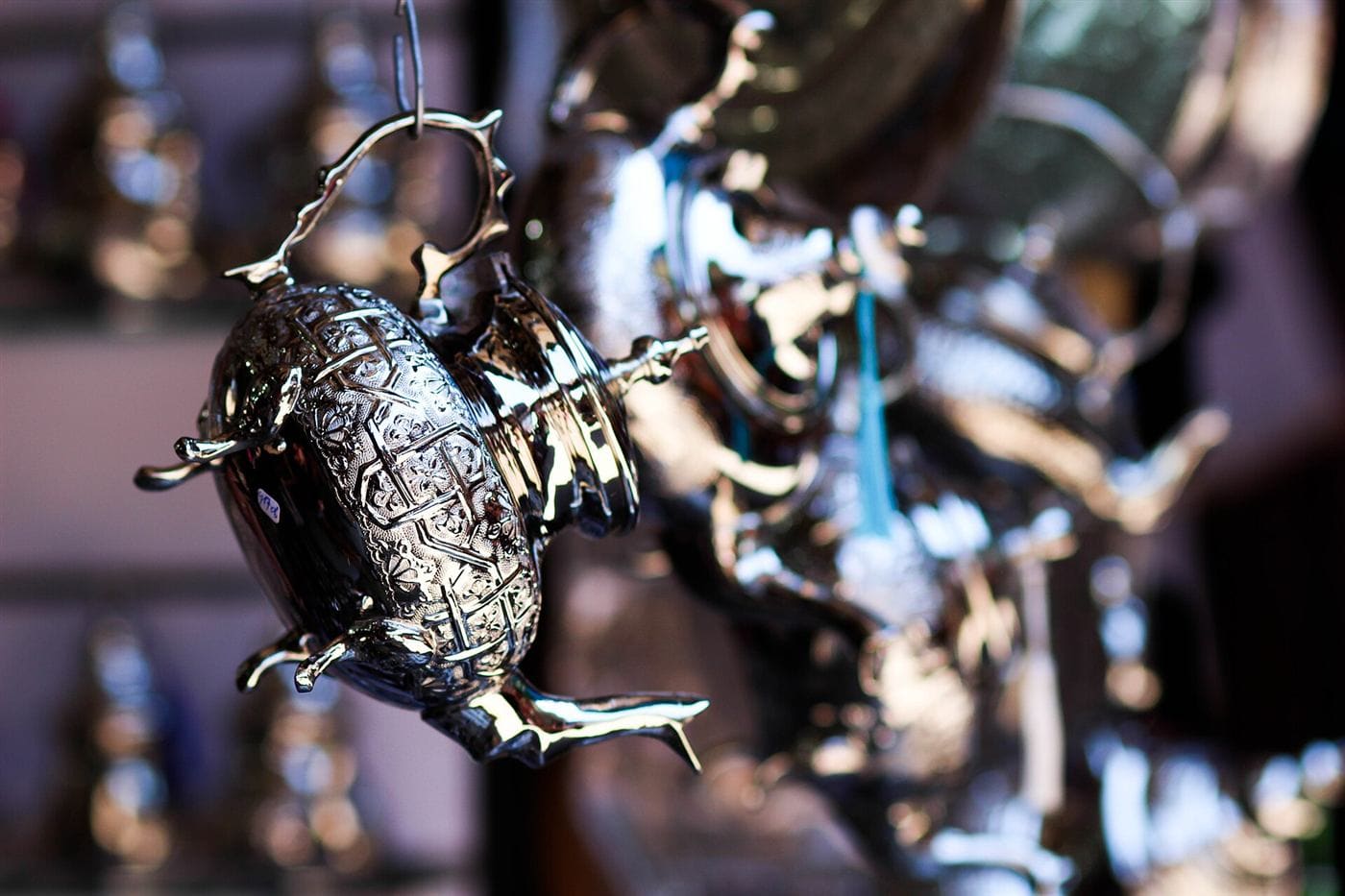
Watch closely the first time someone pours for you — the tea is lifted high above the glass, sometimes 30cm or more, and poured in a thin stream. This isn't showmanship for its own sake, though it does look impressive. The height aerates the tea and creates a thin layer of foam (called "the crown") on top, which is considered the mark of a properly made glass. A good host will often pour the first glass back into the pot and repour once or twice to build the foam before finally serving it.
Quick Tip
If you're offered a second or third glass, know that tradition holds each pour tastes slightly different — the second is often considered the best. It's polite to accept at least two rounds if you can.
Hospitality Customs: Why It's Rude to Refuse
Tea is tied closely to Moroccan hospitality, and refusing it — especially in a home or a small family-run shop — can feel like refusing the relationship being offered. You don't have to finish every glass, and it's fine to slow down or leave the last sip if you're full, but accepting at least a small amount is the respectful move. If you genuinely can't drink tea for health reasons, a polite explanation is well understood and never held against you.
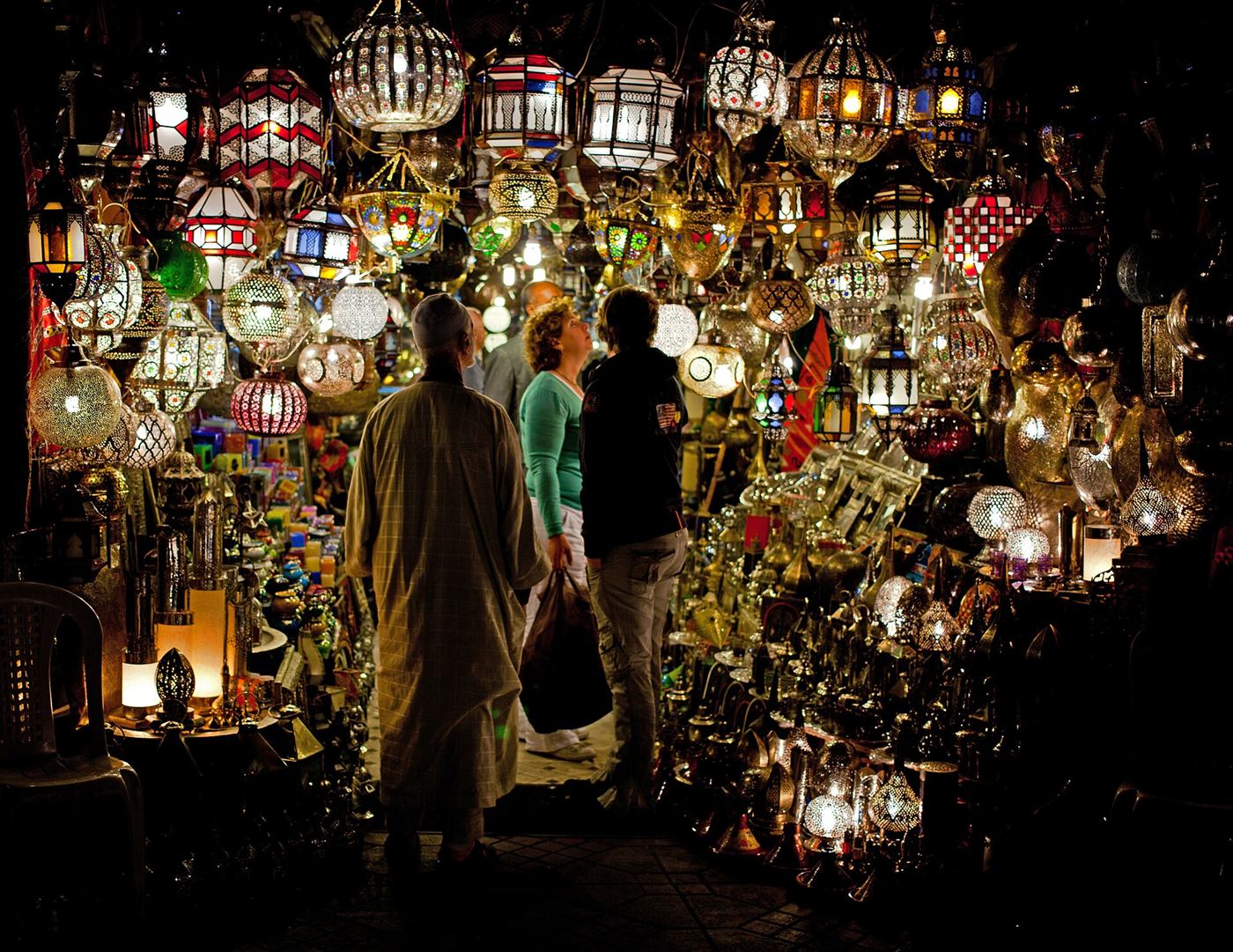
This is also where shopping in the souks gets a reputation for pressure it doesn't always deserve — being offered tea while browsing a carpet or leather shop isn't a trap, it's standard hospitality, and you're free to enjoy the tea and still walk away without buying anything.
Where to Try the Best Versions
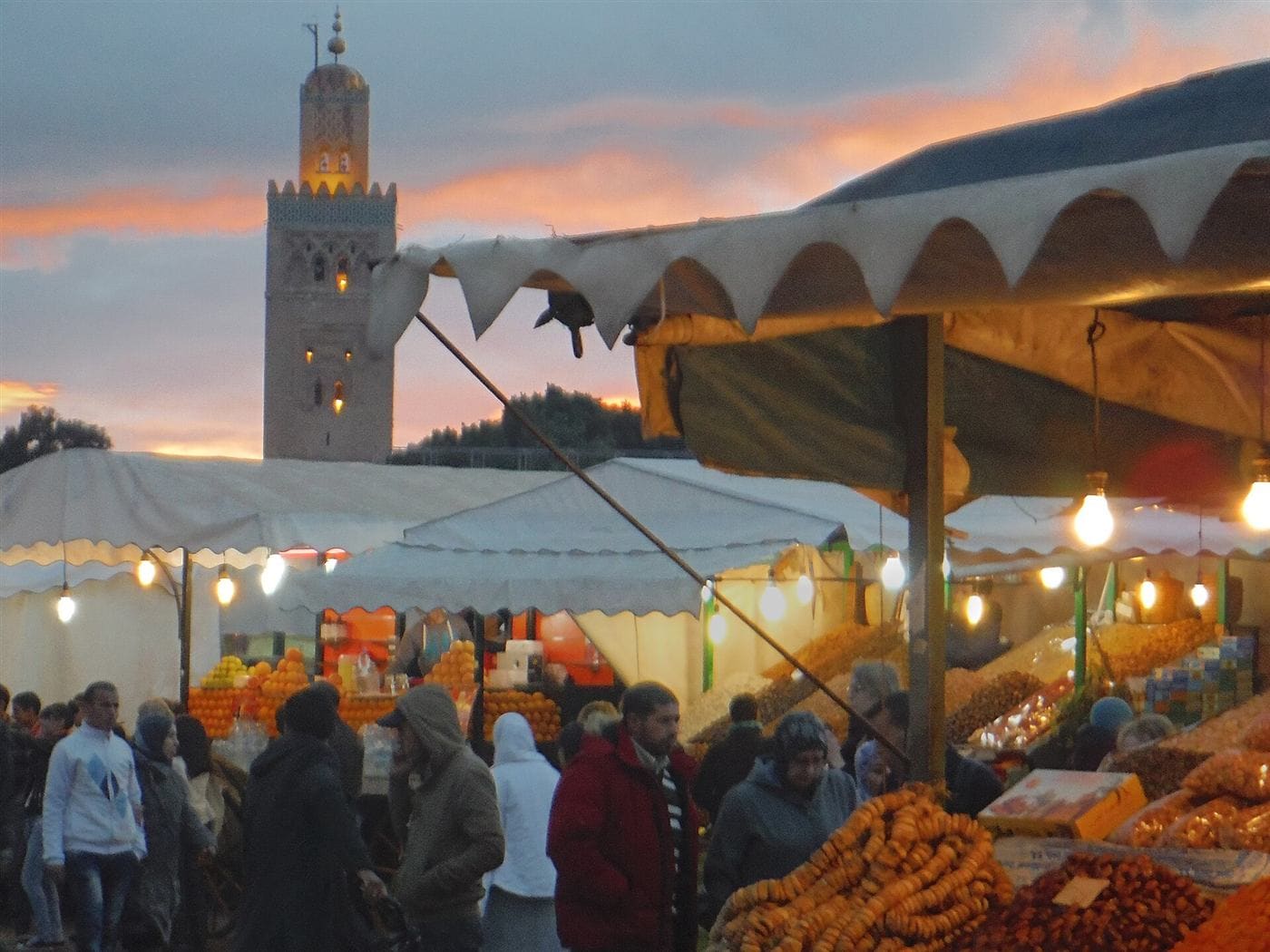
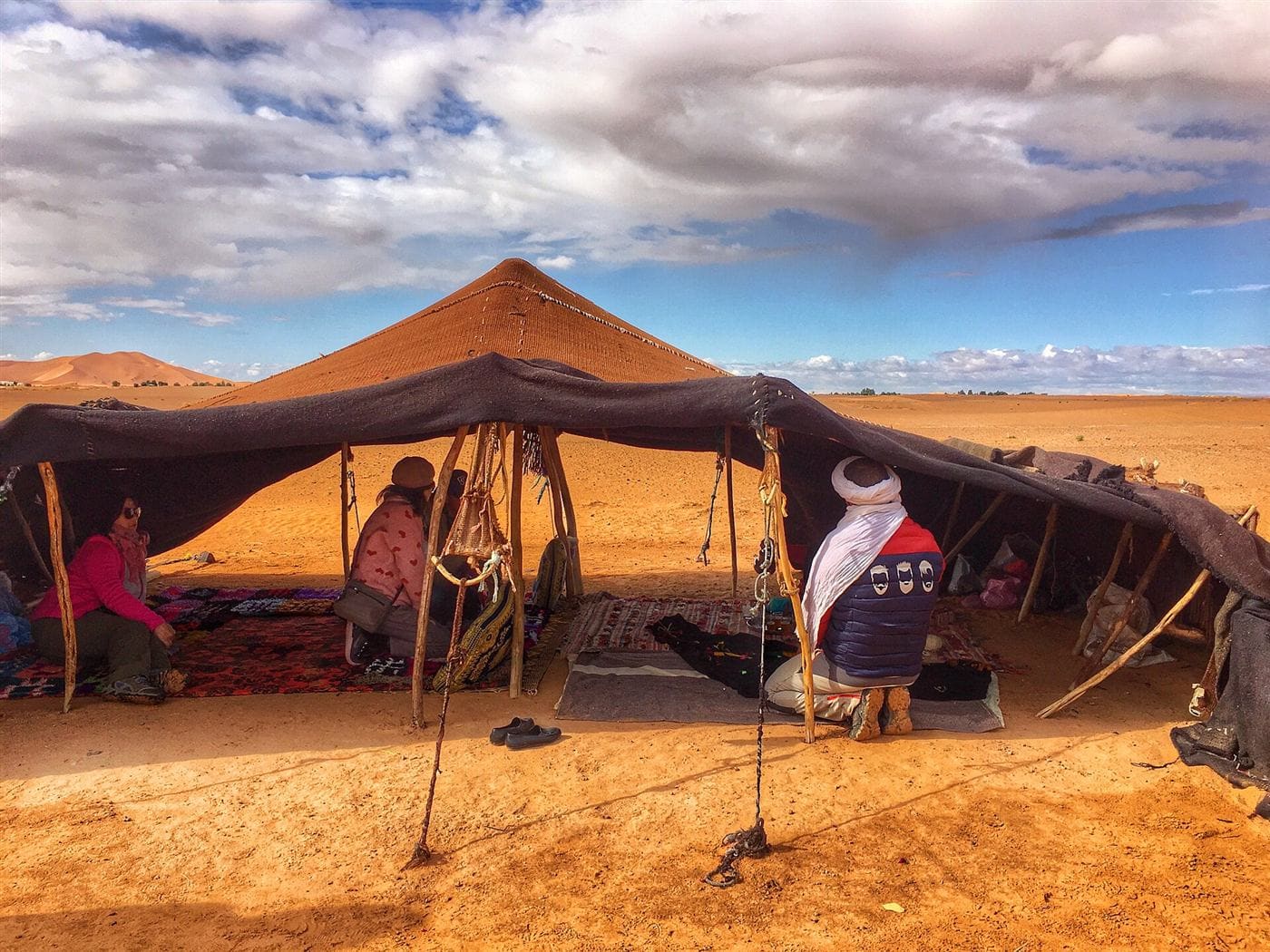
Skip the tourist cafés directly on Jemaa el-Fnaa if you want tea made the traditional way rather than a rushed version for turnover. Small neighborhood cafés a few streets back, or tea served in a riad courtyard, tend to be brewed slower and with more mint. In the Sahara, tea made over an open fire at a desert camp — often prepared by the same guides who lead the camel trek — is a genuinely different experience, smokier and stronger, and one of the most memorable versions you'll have in the country.
Traveling with a small group makes these moments easier to appreciate too — sharing a pot of tea around a fire with fellow travelers and a local guide, trading stories about the day, is exactly the kind of experience that's hard to replicate traveling solo or in a rushed private itinerary.