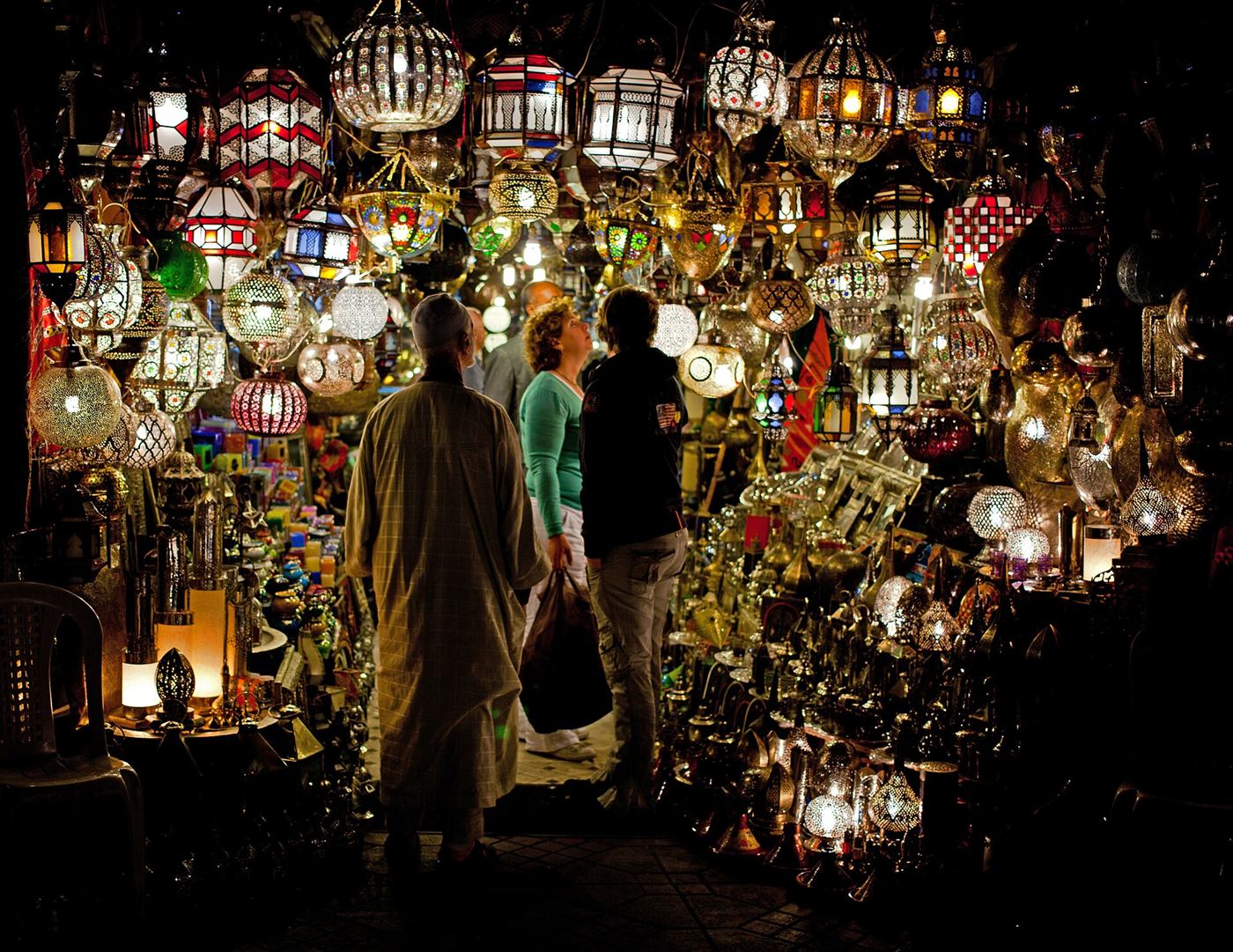
Bargaining in a Moroccan souk can feel intimidating the first time — a shopkeeper naming a price with total confidence, a stall packed with lanterns and leather bags, no price tags in sight. But haggling here isn't a trick played on tourists, it's simply how the market works, for locals and visitors alike. Once you know the rough rules, it becomes one of the more fun parts of the trip.
Starting Price Expectations
As a rule of thumb, the first price quoted to a tourist is often 2-3 times what the seller would actually accept — sometimes more for smaller souvenir items like magnets or keychains, sometimes less for bigger-ticket items like carpets where margins are already tighter. This isn't universal and it isn't malicious; it's simply the opening move in a conversation both sides expect to have. Treat the first number as a starting point, not an insult.
Prices also shift depending on the item, the shop, and even the season — a carpet seller with three tourist groups already through that morning may hold firmer than one who hasn't had a sale all day.
How Much to Counter-Offer
A common approach is to counter at roughly 40-50% of the initial asking price, then work upward from there in a few rounds until you land somewhere in the middle, typically 50-65% of the original quote depending on the item and how firm the seller is. Don't be afraid to counter low — sellers rarely take offense at a genuine opening offer, even a modest one. What matters more is treating the whole exchange as a friendly back-and-forth rather than a confrontation.
Quick Tip
Decide your maximum price before you start haggling, based on what the item is genuinely worth to you — not what the seller says it's worth. Stick to that number regardless of how the conversation goes.
Tone and Body Language
The best hagglers in the souks aren't aggressive, they're warm. Smile, take your time, ask questions about the craftsmanship, and treat it like a conversation rather than a battle. A light touch — a laugh at a high price, a shrug, a "that's a bit much for me" — moves things along faster than a hard stare or a flat refusal. Shopkeepers respond well to travelers who seem genuinely interested in the item, not just trying to win.
When to Walk Away
Walking away is the single most effective tool in your kit, and it's not a bluff — it's a real option you should be willing to use. If a seller won't come down to a price you're happy with, thank them and start to leave. More often than not you'll hear a lower number called after you before you've gone more than a few steps. If you don't, that's fine too — it means the price genuinely wasn't going lower, and you can always come back, or find the same item two stalls over.
What Not to Bargain Over
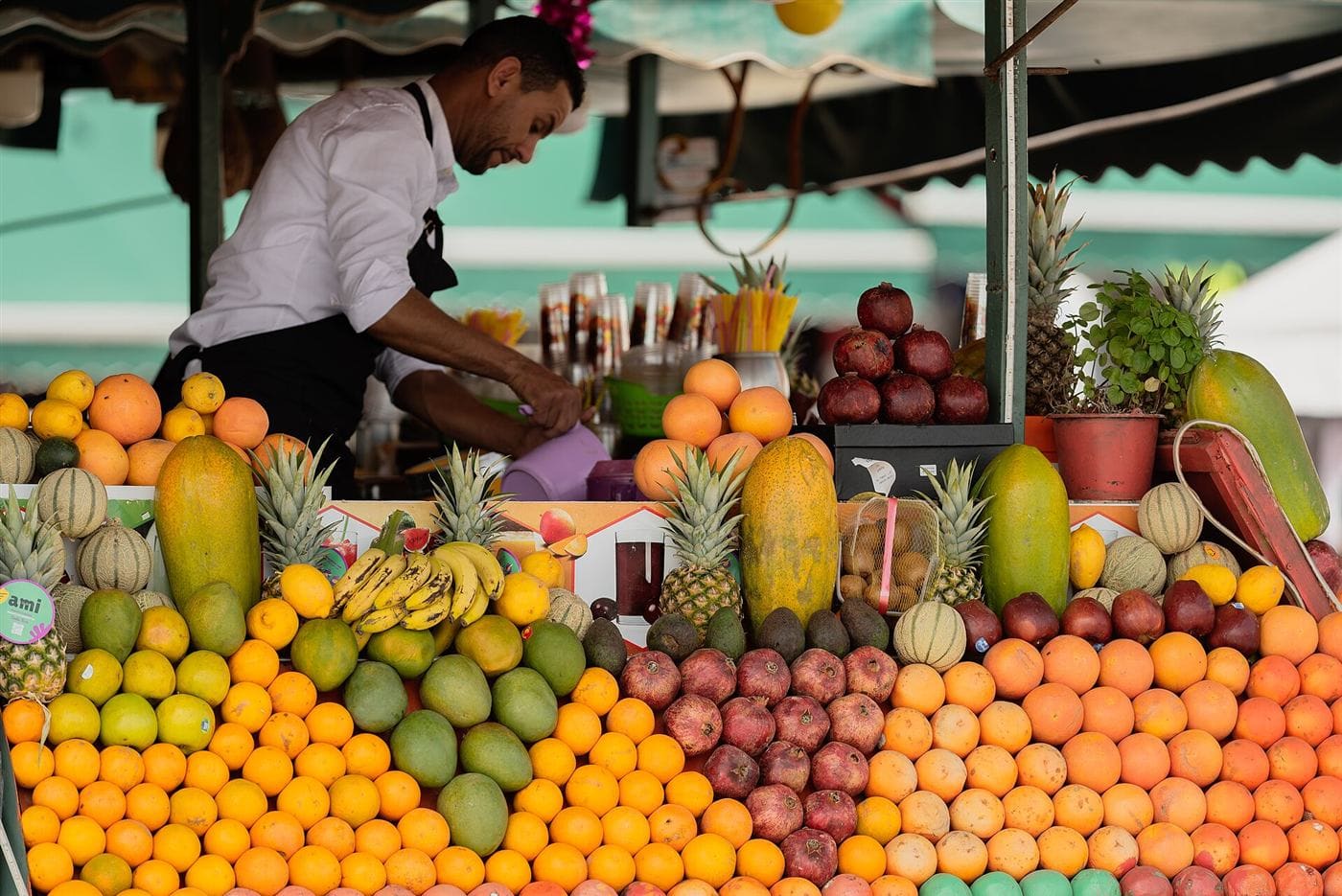
Haggling is for souvenirs, crafts, clothing, and similar souk goods — it is not appropriate for fixed-price shops, official taxi meters where available, museum and site entrance fees, or set-menu restaurant meals. Food stalls and small grocery items are also generally not haggled over. When in doubt, look for a price displayed openly — if there's a printed menu or a tag, that price is usually fixed.
If negotiating in a foreign language over a souvenir sounds more stressful than fun, a shared group tour with a local guide takes the pressure off — guides often know which shops offer fair prices upfront, and having a few fellow travelers along makes the whole souk experience feel more like an adventure than a gauntlet.