Morocco consistently ranks as one of the safer countries in North Africa for tourism, and violent crime against travelers is rare. The real safety conversation in Morocco isn't about danger — it's about hassle: persistent touts, inflated prices, and a handful of well-known scams that catch first-timers off guard. Once you know what they look like, they're easy to sidestep.
The Scams Worth Knowing
The most common one: someone offers unsolicited "help" finding your riad or a specific square, then demands payment or steers you toward a shop that pays them commission. Politely decline and keep walking — you very rarely need a guide to navigate a medina, and if you want one, book a licensed guide through your riad or a tour operator instead. Also watch for the henna tattoo approach in busy squares, where a price isn't agreed before the design starts, and the "the road is closed" line near Jemaa el-Fnaa, meant to redirect you toward a longer route past particular shops.
Medinas at Night
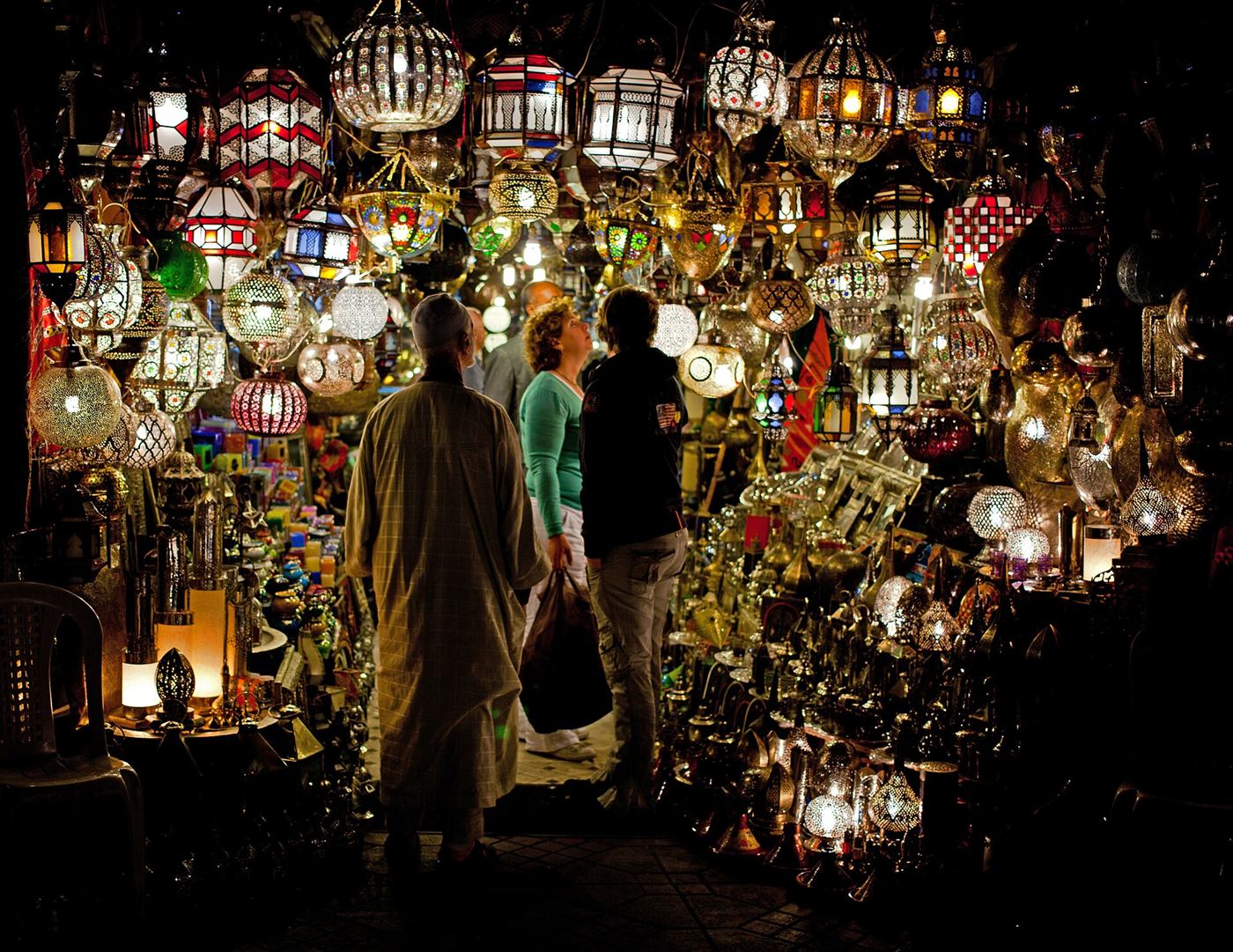
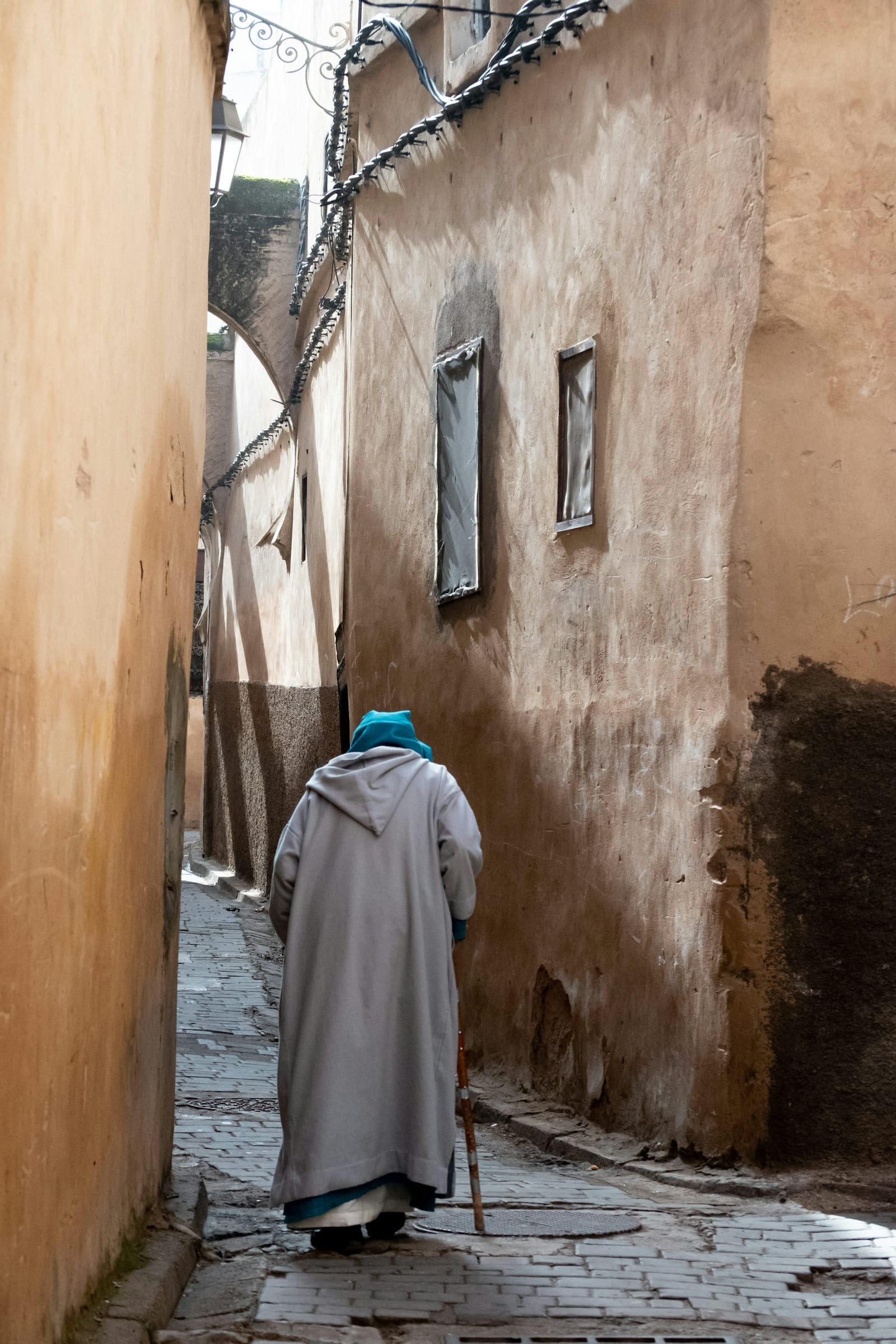
Medinas feel very different after dark — narrower, quieter, less signposted — but they're not inherently more dangerous, just more disorienting. Stick to lit, busier lanes if you're walking back to your riad late, save an offline map or your riad's location pin, and don't be shy about asking a shopkeeper who's still open for directions.
Quick Tip
Save your riad's name and phone number in Arabic script (ask them to text it to you) — taxi drivers and passersby can navigate to it far faster than from an English street name.
Solo and Female Travelers
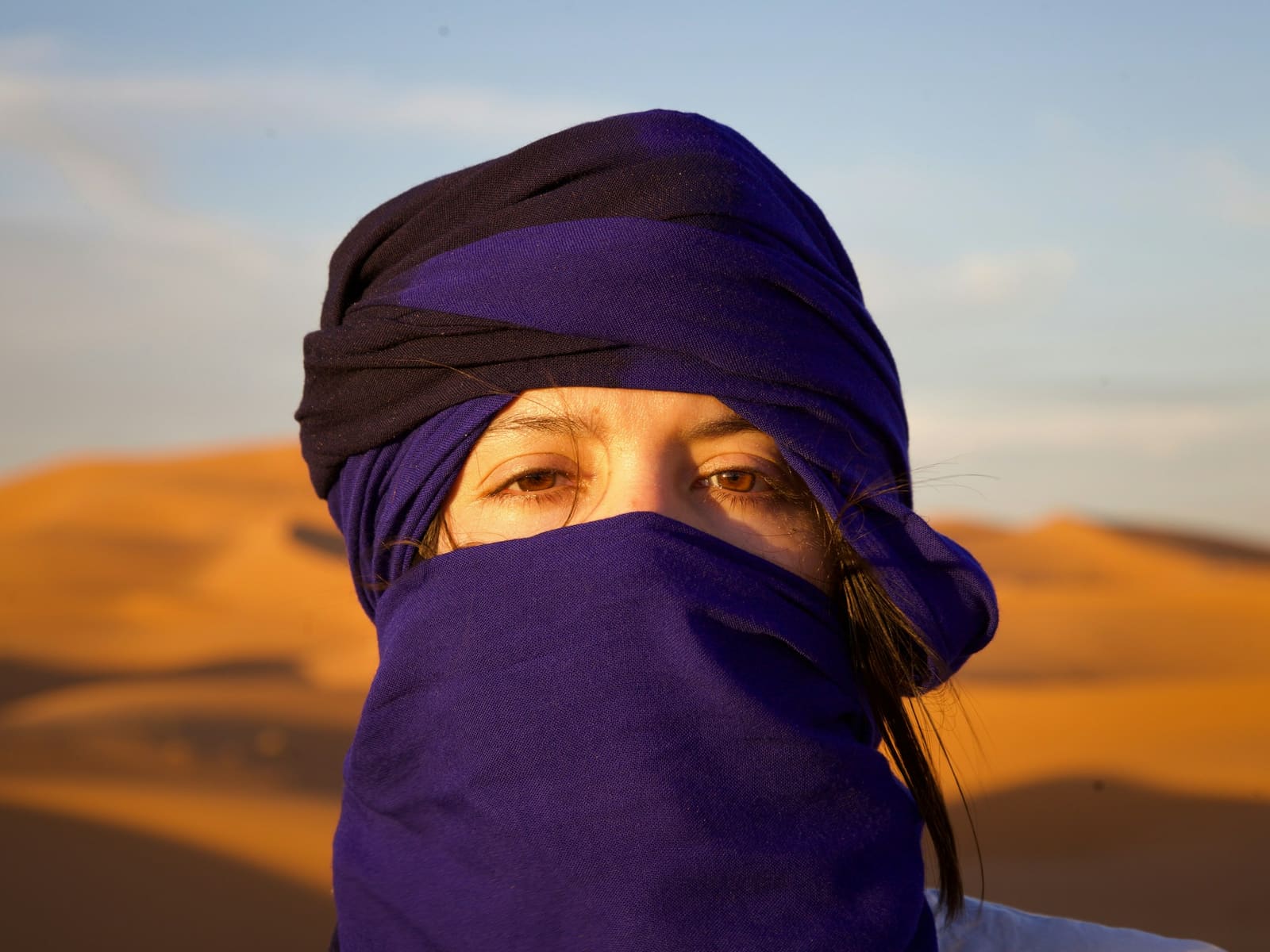
Morocco is genuinely popular with solo women travelers, though street attention (comments, stares) is more frequent here than in much of Europe. Dressing modestly, projecting confidence, and traveling with a small group for the desert and mountain legs of a trip all help. Our dedicated guide to solo female travel in Morocco goes into this in much more depth.
Driving and Transport
Self-driving in Morocco is legal and roads between major cities are generally good, but mountain passes like the Tizi n'Tichka can be narrow with sheer drops, and driving styles in cities are assertive. Petit taxis are cheap and generally safe in daylight — agree a price or insist on the meter before getting in. For longer routes, a shared minivan with a professional driver-guide removes the driving stress entirely, which is exactly what our group tours are built around.
Bottom Line
The single biggest safety upgrade for a first Morocco trip isn't a gadget or a hidden money belt — it's traveling with other people for the routes that involve real distance, like a Sahara desert loop or a multi-city imperial circuit. Shared transport, a licensed local guide, and a small group of fellow travelers handle 90% of the "is this safe" questions before they come up.