Every year, more solo women travel through Morocco than the country's reputation might suggest, and the vast majority come away having had a warm, memorable trip. That said, it's a country where a little cultural awareness goes a long way, and where the busy energy of a medina can feel overwhelming on your first day if you're navigating it completely alone. Here's a grounded, practical look at what actually helps.
What to Wear (and Why It's Not Complicated)
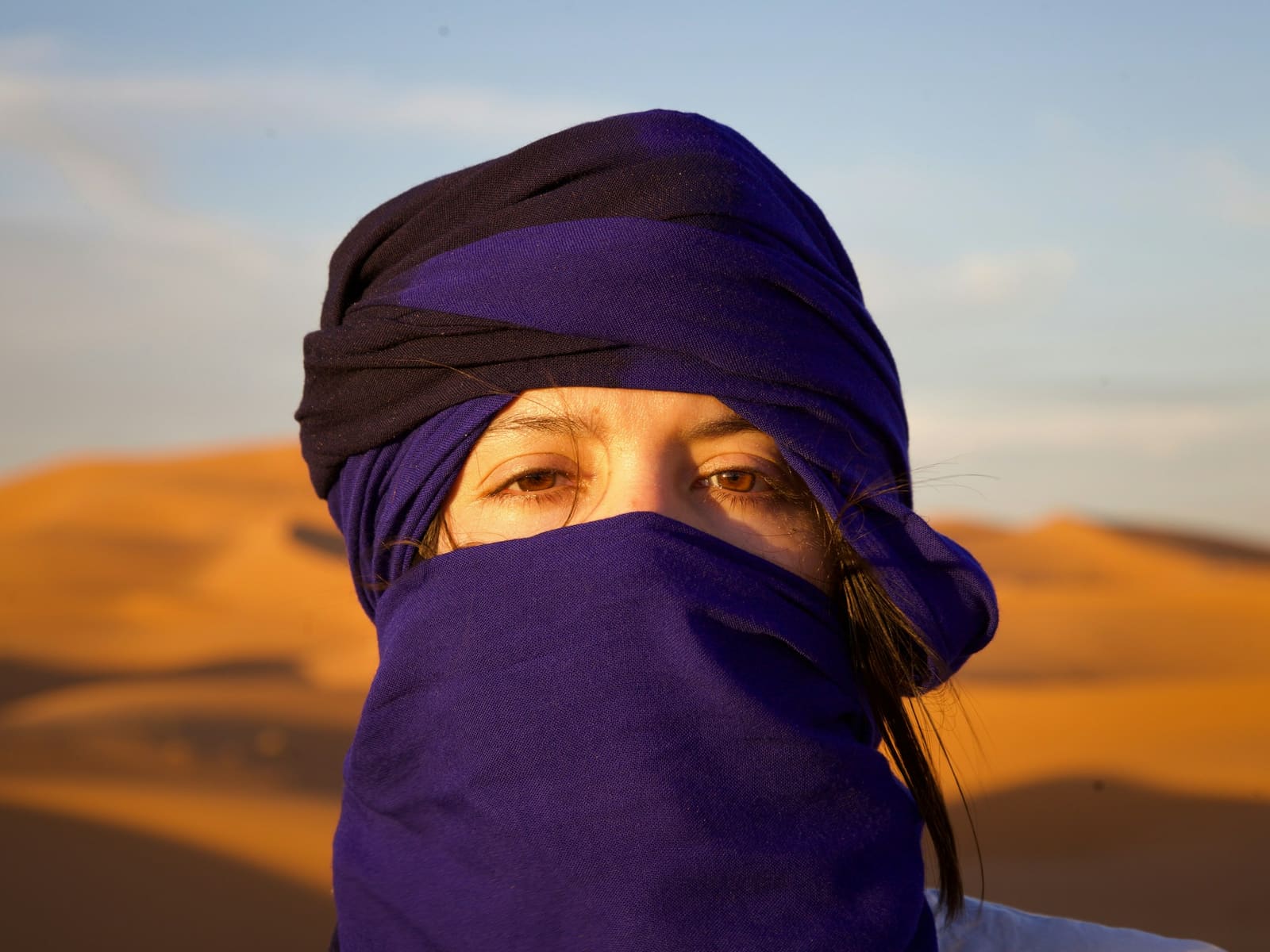
You don't need to cover your hair or wear anything specialized, but Morocco is a conservative country outside the resort pockets, and dressing modestly — shoulders and knees covered, loose rather than fitted — earns you an easier, more comfortable experience day to day, particularly in medinas and smaller towns. A light scarf is genuinely useful: for sun, for dust, and for popping over your shoulders if you duck into a mosque courtyard or rural village. Pack breathable layers rather than anything skin-tight, and you'll blend in enough to attract noticeably less attention.
Navigating Medinas With Confidence
The medinas of Marrakech and Fes are mazes by design, and getting lost is part of the experience — but it can feel different when you're solo and someone offers unsolicited "help" finding your way, which sometimes comes with an expected tip or a detour into a shop. The fix isn't to avoid medinas, it's to walk with purpose, decline offers of guidance firmly and politely ("La, shukran" — no, thank you — goes a long way), and use offline maps so you're never visibly lost. None of this is unique to Morocco; it's standard medina-navigation know-how that gets easier within a day or two.
Quick Tip
Download an offline map of the medina (Marrakech and Fes both work well on Maps.me or Google Maps offline) before you arrive — it removes 90% of the "helpful stranger" interactions before they start.
Why Shared Group Tours Are Especially Popular With Solo Women
This is where shared tours genuinely shine for solo travelers. Joining a small group means you're never eating dinner alone if you don't want to, never negotiating a taxi fare by yourself in an unfamiliar town, and never wondering whether a guide is reputable — they've already been vetted by the tour operator. It also solves the loneliness that can creep in on a longer solo trip: shared desert camps, group riad dinners, and multi-day itineraries naturally put you alongside other travelers, many of whom are also solo. For routes like the Sahara, where a private overnight trip can feel isolating with just you and a driver you've just met, a shared group with a fixed, well-reviewed operator is simply a more comfortable way to do it.
It's not about being unable to handle Morocco alone — plenty of women do, easily — it's that shared travel removes the small daily frictions (bargaining alone, eating alone, night transport alone) that can wear on even confident solo travelers over a two-week trip.
A Few Practical Extras
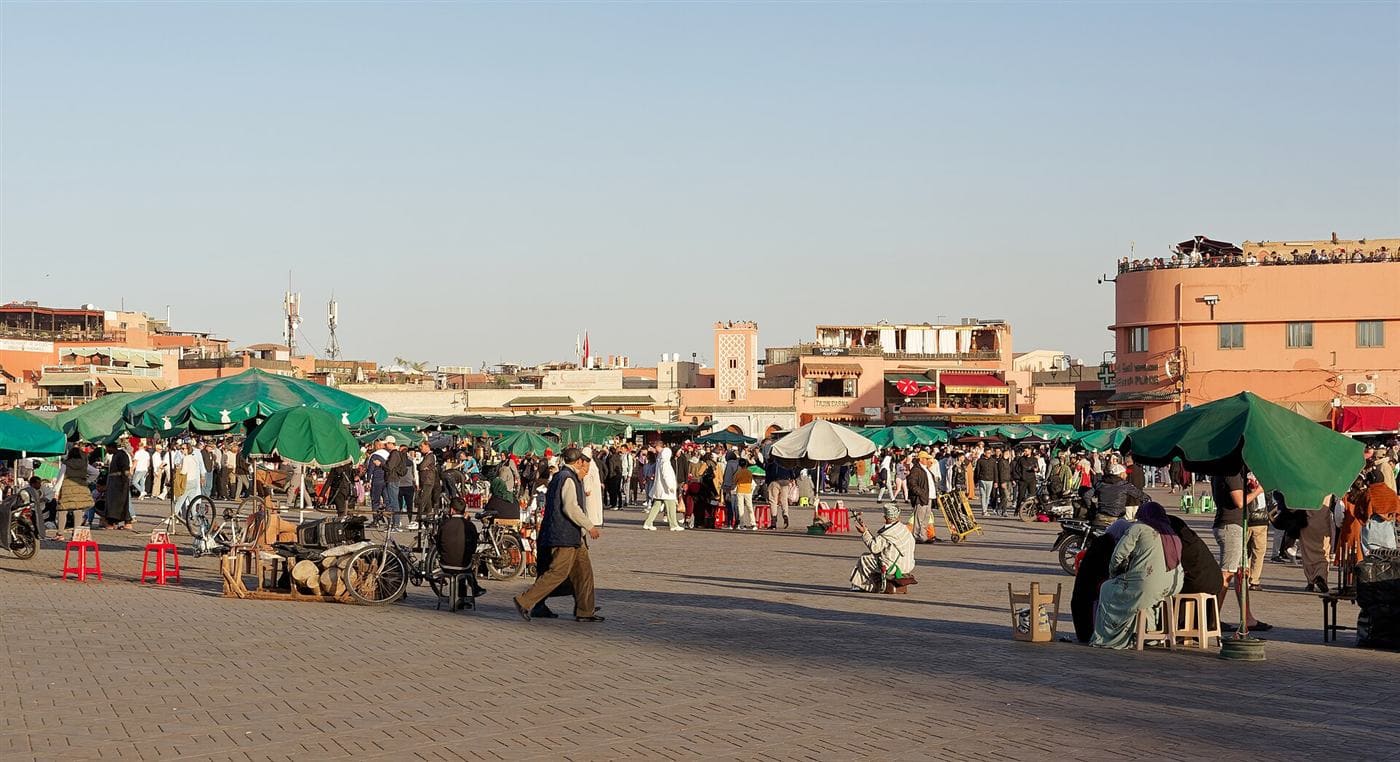
Keep a printed or offline copy of your riad's address in Arabic — it makes taxi rides smoother than trying to spell it out phonetically. Evenings in Marrakech and Fes are lively and generally safe in busy areas like Jemaa el-Fnaa, but as anywhere, stick to well-lit, populated streets late at night. And don't hesitate to say no firmly to persistent vendors — it's a completely normal, expected part of souk culture and not considered rude.