"Escorted group tour" is easy to picture wrong — either as a rigid coach tour with a flag-waving guide, or as something looser than it actually is. Neither is quite right. Here's a realistic walkthrough of what a day actually looks like on one of our tours, using the 4-Day Sahara Desert Group Tour as the example, since it's the route most people ask about first.
A Typical Day, Hour by Hour
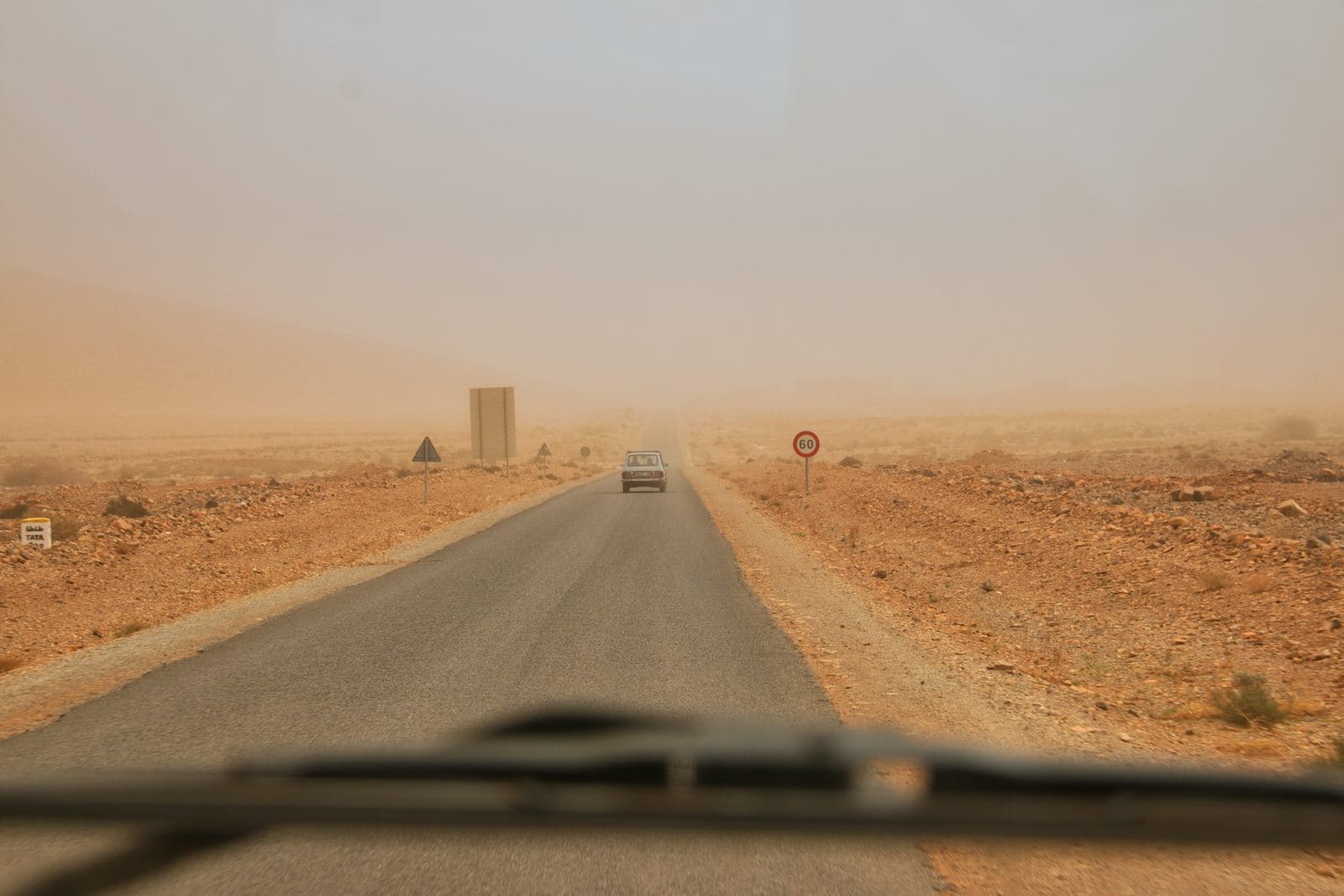
Driving days start early — usually a pickup between 7 and 8am, since the goal is to reach the day's stops before the heat and the tour-bus crowds build up. From there it's a mix of driving blocks (an hour or two at a stretch) broken up by stops: a viewpoint, a kasbah, a village, a chance to stretch and use a bathroom. Lunch is on your own at a stop the guide picks, usually a local restaurant used to feeding groups quickly and affordably. You'll typically arrive at that night's accommodation by late afternoon, with a few hours free before dinner to explore, nap, or just sit somewhere with a mint tea.
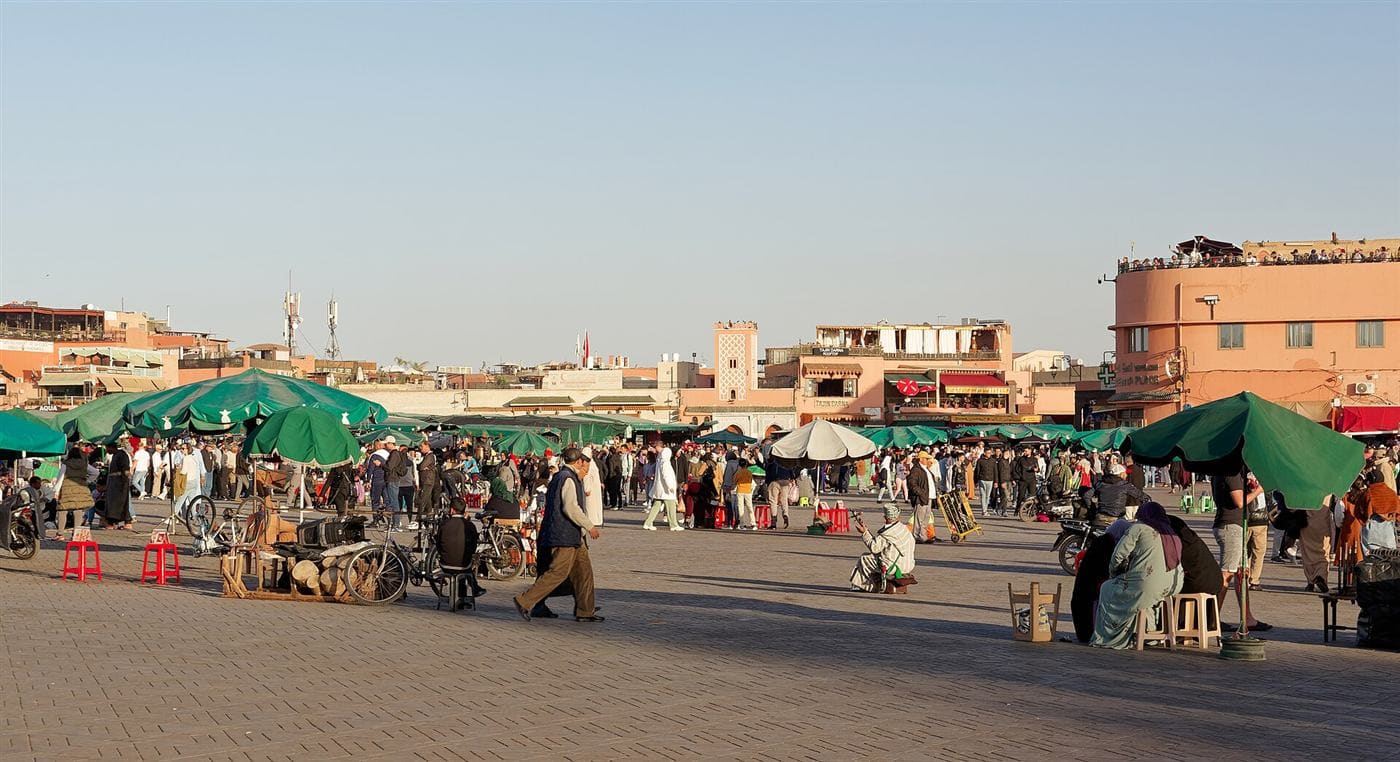
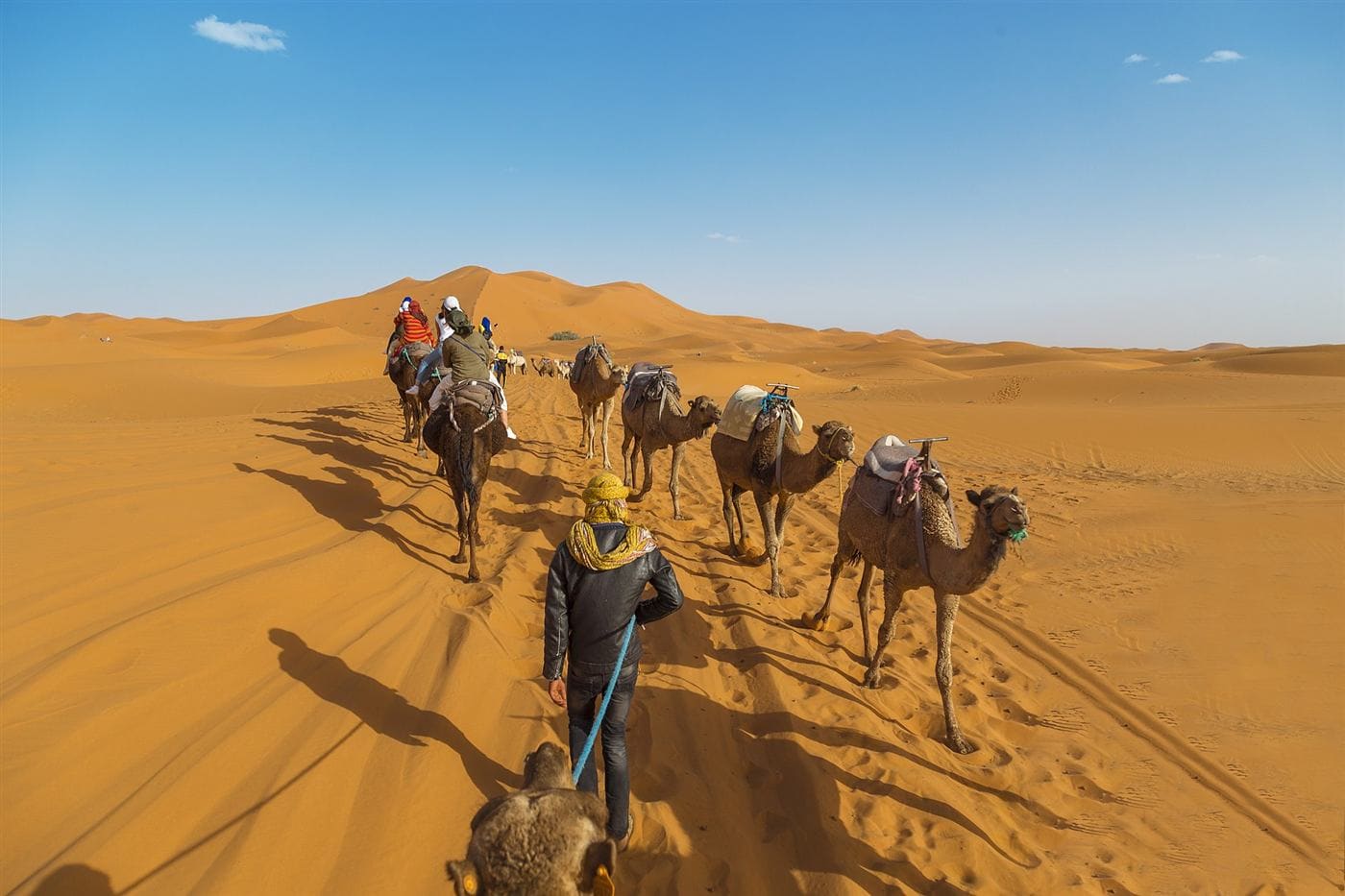
Non-driving days look different — on the Sahara route, day one is a free afternoon in Marrakech after your arrival pickup, and the desert-camp night is built entirely around a late-afternoon camel trek and sunset rather than any driving at all.
Meals: What's Included and What Isn't
Breakfast is included every day. Dinner is included on specific nights — typically wherever the accommodation is half board, like a desert camp or a remote kasbah-style guesthouse with limited nearby options. Lunch is almost never included on any tour, by design: it lets everyone choose their own spot and pace at a lunch stop rather than being served the same set menu as a group. Check the "What's Included" section on your specific tour page for the exact count of included dinners — it varies by route.
What Your Driver-Guide Actually Handles
Your driver-guide manages the logistics that would otherwise eat your whole trip: the route, the timing, where to stop, and often some translation or context at sites like Ait Benhaddou or the Dades Gorges. What they don't do is manage your personal time once you're at a stop or at the night's accommodation — you're free to wander, skip an optional stop, or head to bed early without checking in. They're a guide and a driver, not a chaperone.
Quick Tip
Departure times from hotels and camps are treated as fixed, not approximate — build in a small buffer for packing up in the morning so you're not the reason the group leaves late.
How Much Personal Space You Actually Get
More than people expect. Driving blocks are shared time, but evenings and any non-driving day are genuinely free — nobody's organizing your dinner or expecting you at a group activity outside what's on the itinerary. If you want a quiet night reading in your room instead of joining others at a rooftop, that's completely normal and nobody will think twice about it.
Who You'll Actually Be Traveling With
Groups typically run 6 to 16 travelers — a mix of solo travelers, couples, and small groups of friends, mostly in their 20s to 40s. It's small enough that you'll know everyone's name by day two, but large enough that you're never stuck making conversation with just one other person the whole trip. For tips on how to actually make the most of that mix socially, we've written a separate guide: Group Travel Etiquette: Making Friends on the Road.
If you have more specific questions before booking — about a particular route, pickup point, or accommodation — our FAQs page covers the most common ones, or take a look at the full day-by-day itinerary on our 4-Day Sahara Desert Group Tour page for a complete example.